
Small breed
Norfolk Terrier Puppies
Small, spirited companions for family fun
We do not have Norfolk Terrier puppies on the floor today. Tell us what you are looking for and we will let you know the moment one arrives, or help you find a breed that suits your home just as well.
- Adult weight 11–12 lbs
- Height 9–10 in
- Lifespan 12–15 years
- Exercise 30 min a day
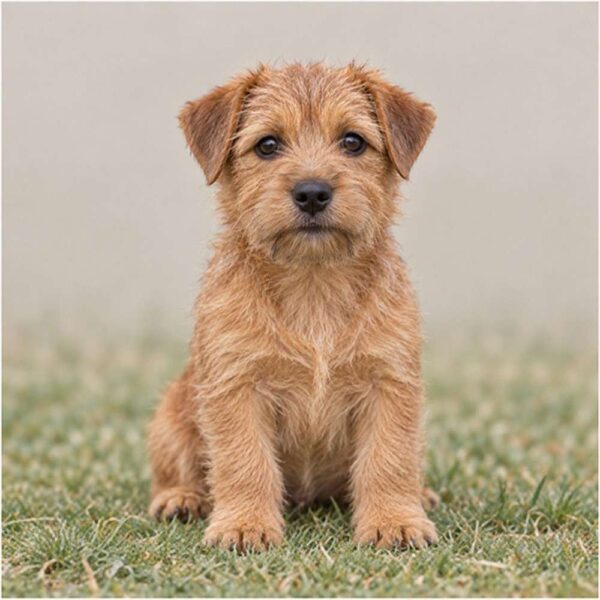
About the Norfolk Terrier
About the Norfolk Terrier Breed
The Norfolk Terrier breed is a small, lively breed that brings a joyful energy to any household. Originally bred for hunting vermin in the fields and barns of England, these charming dogs have kept their spirited nature while making wonderful companions for families. Their affectionate yet independent temperament means they often bond closely with their human families, and they typically do well with young kids and other dogs, making them an excellent choice for a family pet.
Read more about the Norfolk Terrier Show less
Norfolk Terrier Temperament and Care
With an energy level that invites play but is manageable enough for apartments, Norfolk Terriers require regular exercise to keep them happy and healthy. Daily walks, play sessions, and some time spent exploring the yard will satisfy their adventurous spirit. Though they shed reasonably often, weekly grooming will help keep their coat looking tidy while minimizing loose fur around your home.
While Norfolk Terriers can have a tendency to bark, their playful disposition and intelligent minds make them entertaining companions. They may not be the easiest to train due to their independent streak, but with consistent and gentle guidance, you can help them learn basic commands. If you’re looking for a delightful and engaging pet that can fit into your lifestyle, consider the Norfolk Terrier, an ideal choice for families in XO PUPS looking for a lively addition to their home.
Is the Norfolk Terrier Breed Right for You?
If the Norfolk Terrier breed sounds like a good fit for your home, the best next step is to meet one in person. You can see all of our available puppies or book an appointment at our Chantilly store. Every puppy comes from licensed, inspected breeders and goes home with our puppy package. To compare breeds side by side, the American Kennel Club breed directory is a great resource.
Norfolk Terrier breed profile
Every score below is set by our team for this breed. Higher is simply more of that trait, not better or worse.
Temperament
-
Affection Reserved
-
Playfulness Very playful
-
With strangers Friendly
-
Territorial Very territorial
-
Prey drive High
Family & other pets
-
Young children Good
-
Older children Good
-
Other dogs Sociable
-
Cats Needs care
Energy & exercise
-
Energy High
-
Mental stimulation High
Training
-
Trainability Takes patience
-
Intelligence Steady
-
Stubbornness A stubborn streak
Care & upkeep
-
Shedding Very heavy
-
Drooling None to speak of
-
Barking Vocal
Home life
-
Apartment living Good
-
Time alone Short periods
-
Cold weather Average
-
Warm weather Comfortable
A good match for
-
First-time owners Good first dog
-
Senior owners Good
-
Running partner Short distances
-
Hiking Good
-
Therapy work Possible
-
Guarding Low
Living with a Norfolk Terrier
Temperament & Family Fit
The Norfolk Terrier is a charming little companion that thrives in a family environment. They are known for their friendly disposition and their ability to get along well with young kids and other dogs, making them a wonderful addition to any household. With their playful and affectionate nature, these dogs are sure to bring joy and laughter into your life!
Energy & Exercise
With a moderate energy level, the Norfolk Terrier enjoys daily walks and playtime but is also content to curl up on the couch with you. Their small size makes them quite adaptable, meaning they can be happy in an apartment as long as they get regular exercise. Daily mental stimulation, along with physical activity, is key for keeping them happy and healthy.
Care & Grooming
The Norfolk Terrier requires weekly grooming due to their dense, wiry coat, which tends to shed moderately. Regular brushing not only helps manage shedding but also keeps their coat looking its best! With some routine care, you’ll help maintain their charming appearance and keep them comfortable.
Training Notes
While Norfolk Terriers are known for their lovable nature, they can sometimes be a bit stubborn when it comes to training. It’s important to use positive reinforcement techniques and plenty of patience to encourage good behavior. Early socialization and consistent training can help them become well-rounded companions.
Caring for a Norfolk Terrier
- Grooming
- Weekly brushing
- Grooming cost
- Low
- Monthly food
- Average
- Outdoor space
- A yard is recommended
- Allergy friendly
- Not considered hypoallergenic
Frequently Asked Questions
What is the size of a Norfolk Terrier?
Norfolk Terriers are small dogs, typically weighing between 11 to 12 pounds and standing about 9 to 10 inches tall. Their compact size makes them perfect for those who live in smaller homes or apartments.
How energetic are Norfolk Terriers?
Norfolk Terriers have a moderate energy level. They enjoy regular playtime and walks, but don’t require excessive exercise, making them suitable for various lifestyles.
Do Norfolk Terriers shed a lot?
Yes, Norfolk Terriers have a shedding level of 5, which means they do shed quite a bit. Regular grooming, approximately once a week, can help manage the shedding and keep their coat healthy.
Are they good with kids and other pets?
Norfolk Terriers are generally good with young kids and get along well with other dogs, scoring a 4 in both categories. They can also coexist with cats, though individual personalities can vary.
How trainable are Norfolk Terriers?
Norfolk Terriers have average trainability, scoring a 2, which might mean they can be a bit stubborn at times. Consistent, positive reinforcement training methods can really help them learn and thrive!