

Bringing home a new puppy isn’t just about cuddles and picture perfect moments. It’s the start of a relationship that’s part joy, part challenge and entirely life changing. Dog breeds come in a wide variety, each with its own traits, temperament and look, and some are simply the easiest dog breeds to train. From the moment those tiny paws step into your home, your dog is learning. Learning about you, about the world, and about how they fit into it. So training becomes more than just a task. It’s the foundation for a happy, confident and well adjusted dog.
Why Even the Easiest Dog Breeds to Train Need Lessons
Training isn’t just about “sit” and “stay.” It’s about building trust, creating boundaries, and helping your dog thrive in everyday life. As a result, a well trained dog is safer, easier to manage and more confident. For example, early training reduces unwanted behaviors like jumping, chewing, and barking. It also fosters a stronger bond, as your dog learns to look to you for guidance.
When and Where to Train the Easiest Dog Breeds
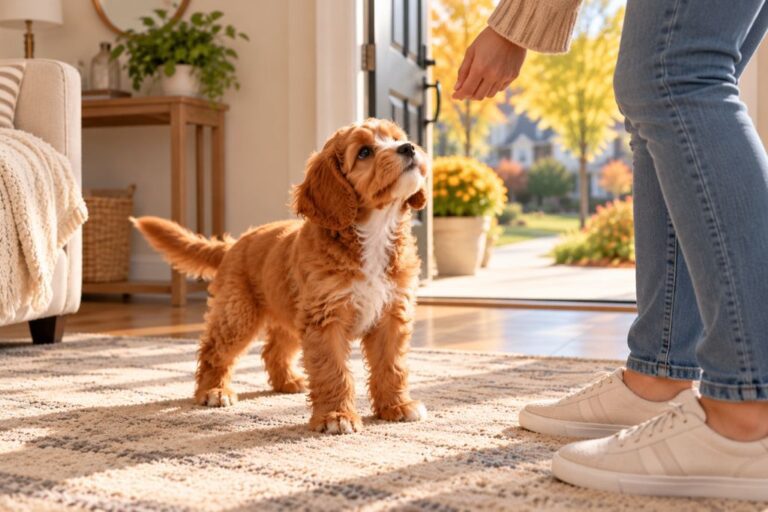
The best time to start training is as early as eight weeks old. At this age, puppies are like sponges, keen to absorb new experiences and cues. Keep lessons short, fun and positive, because young pups tire quickly. A calm, quiet environment works best in the beginning, but gradually introducing mild distractions will help them generalize their skills to the wider world. Socialization, exposure to different environments, and consistency from all household members will also accelerate learning.
The 10 Easiest Dog Breeds to Train
1. Border Collie
Characteristics: Intelligent, energetic, and focused.
Why They’re Easy to Train: Border Collies are often called the “Einsteins” of the dog world. They also thrive on mental stimulation and love having a job to do. Their strong work ethic and quick learning make them excel at obedience and agility training.

2. Poodle
Characteristics: Smart, versatile, and eager to please.
Why They’re Easy to Train: Poodles, whether toy, miniature or standard, combine intelligence with a cooperative temperament. So they respond quickly to training and excel in advanced tricks and competitive sports.

3. German Shepherd
Characteristics: Loyal, alert, and confident.
Why They’re Easy to Train: Often used in police and service work, German Shepherds are driven, obedient, and quick to learn complex commands when given clear, consistent guidance.

4. Golden Retriever
Characteristics: Friendly, patient and people oriented.
Why They’re Easy to Train: Goldens are natural pleasers, so they respond well to positive reinforcement. Plus, they’re calm enough to focus, which makes them great family dogs.

5. Labrador Retriever
Characteristics: Outgoing, playful, and adaptable.
Why They’re Easy to Train: Labs are motivated by both food and praise, making them quick learners. They also excel in service work and family settings alike.

6. Doberman Pinscher
Characteristics: Fearless, loyal, and intelligent.
Why They’re Easy to Train: Because Dobermans bond closely with their owners, they’re eager to follow commands and protect their household.

7. Papillon
Characteristics: Alert, lively, and curious.
Why They’re Easy to Train: Don’t let their size fool you! In fact, Papillons are fast learners and excel in agility sports thanks to their sharp minds.

8. Shetland Sheepdog
Characteristics: Gentle, intelligent, and responsive.
Why They’re Easy to Train: Shelties thrive in structured environments and pick up commands quickly because of their herding instincts.

9. Rottweiler
Characteristics: Confident, protective, and devoted.
Why They’re Easy to Train: With early socialization, Rottweilers respond well to clear, firm, yet positive training, excelling in obedience work.

10. Bichon Frise
Characteristics: Playful, charming, and social.
Why They’re Easy to Train: Bichons are people oriented and eager for attention. Plus, their happy disposition means they respond well to gentle, positive reinforcement and thrive in interactive training sessions.

Quick Tips to Train Even the Easiest Dog Breeds
- Keep it short: 5 to 10 minutes per session is ideal for puppies.
- Stay consistent: Use the same cues and rewards each time so your puppy always knows what you mean
- Make it fun: Training should feel like a game, not a chore.
- Be patient: Progress takes time, so celebrate small wins!
Choosing From the Easiest Dog Breeds to Train
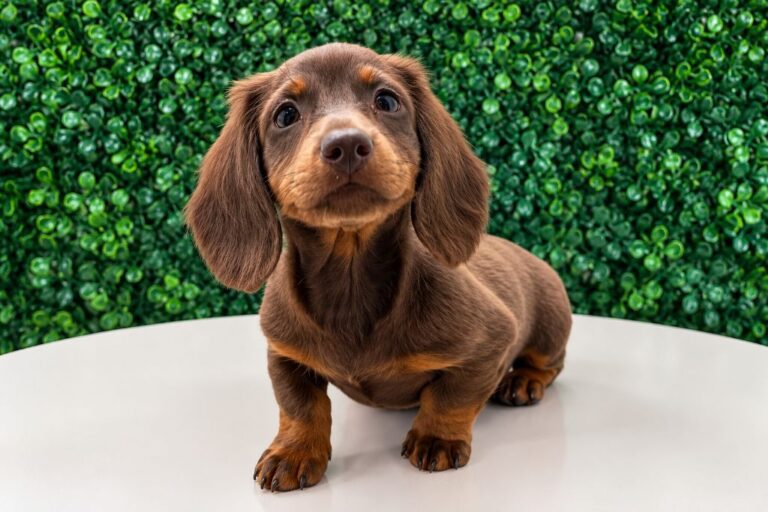
Choosing a trainable breed can make life easier. However, every dog has the potential to be a star student with the right guidance. Some dog breeds are known for their intelligence and trainability, while others stand out for their affectionate nature or playful energy. Small breeds like Dachshunds and French Bulldogs are well suited for apartment living, while larger breeds like Rottweilers often need more space and exercise. Start early, stay consistent, and remember that training isn’t just about commands. It’s about creating a lifelong partnership built on trust, respect, and a whole lot of tail wags. So grab those treats, cue “sit,” and let the fun begin, one wag at a time.
Looking for one of the easiest dog breeds to train? Meet our available puppies at XO PUPS in Chantilly. Every take home kit includes two bags of training treats, so you can start lessons on day one. You can also book an appointment to meet a few breeds in person.